Wildlife rescue
Content warning
Please note the following post contains descriptions and images of wildlife that have died, and may be distressing.
Whilst riding around the east coast of Tasmania in 2023, Danielle and I were shocked by how bad the roadkill situation is in Tasmania. One of the inexorable truths of bicycle touring in a country such as Australia — lots of crepuscularcrepuscular, adj.
occurring or active during twilight wildlife in a heavily-automobile-reliant society — meant that we’re quite used to the sight (and smell!) of roadkill as we cycle past, but nothing could have prepared us for the sheer scale of the carnage on Tasmanian roadsides.
We stopped where we could to move the poor little pademelons and wallabies off the road — attempting to provide some shred of dignity of death by preventing the carcass being spread across the tarmac like a grisly condiment — sometimes with logging trucks bearing down on us and no safe place to get off the road we had to grit our teeth and ride on by.
Then one day soon after when driving up the hill to the in-laws’ in Hobart Danielle’s parents live in Sandy Bay, a suburb of Hobart, Tasmania, Australia. we came across a little cuckoo on the nature strip, obviously in some distress. We got the little guy into a warm safe cardboard box, and took him to Bonorong Wildlife Sanctuary 30 minutes north of Hobart for care.
A little fire was started in our hearts that day, and when we got back home to Victoria we signed up as volunteers for Wildlife Victoria, a not-for-profit charity working to help wildlife in distress. It took a little while to get a training session1, but we finally did our Basic Rescue and Transport training in August 2024 with a wonderful fellow volunteer named Grant.
Since that day, we have helped out on countless wildlife calls, for everything from kangaroos, echidnas, magpies, kookaburras, coots, rosellas, ibis, wallabies, possums, green tree frogs, cockatoos, galahs, ravens, lorikeets, swans, blue-tongued lizards, seagulls and ducks.
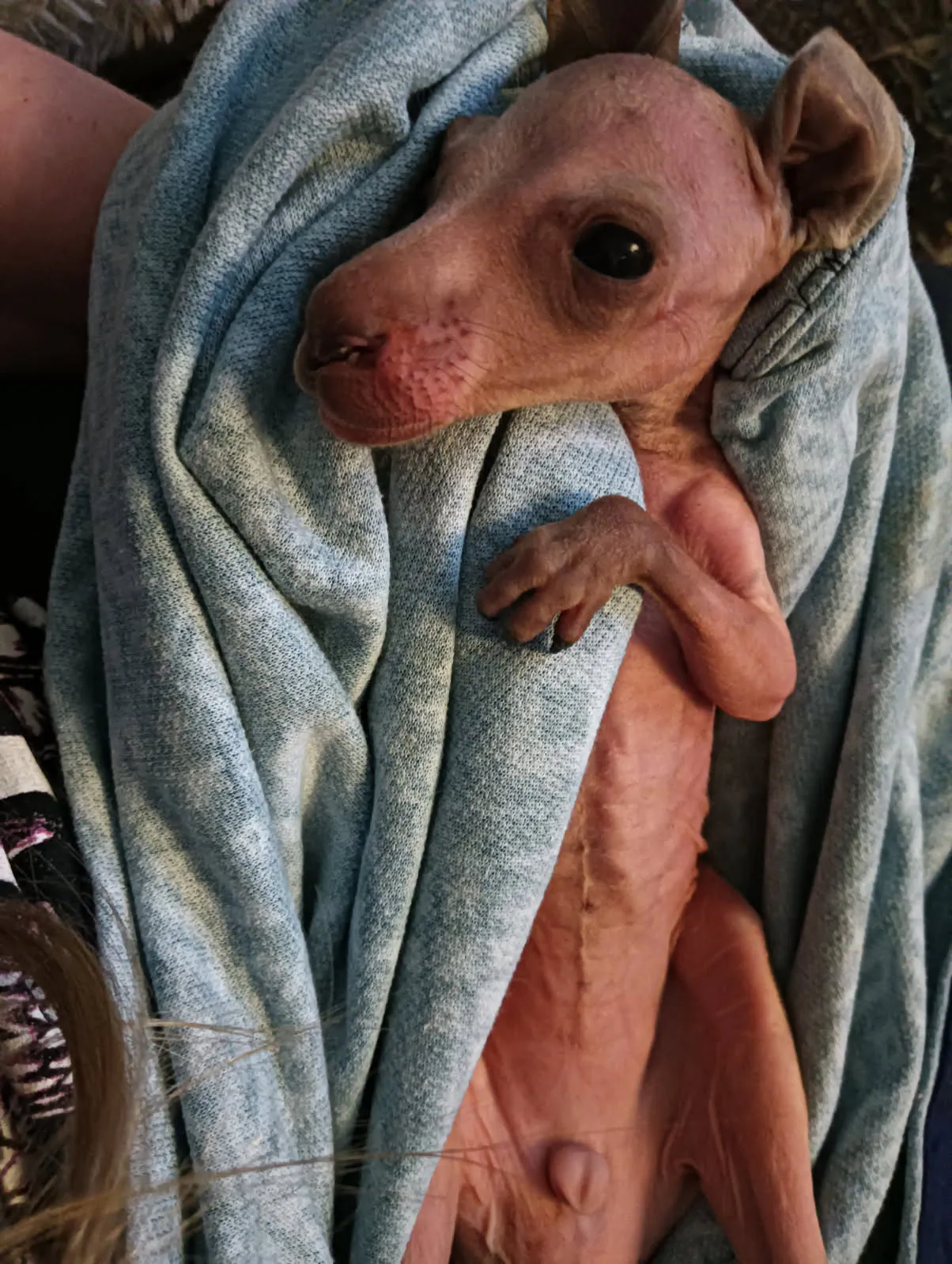
An Eastern Grey kangaroo joey named Alexander, who we rescued when Mum had to be euthanased.
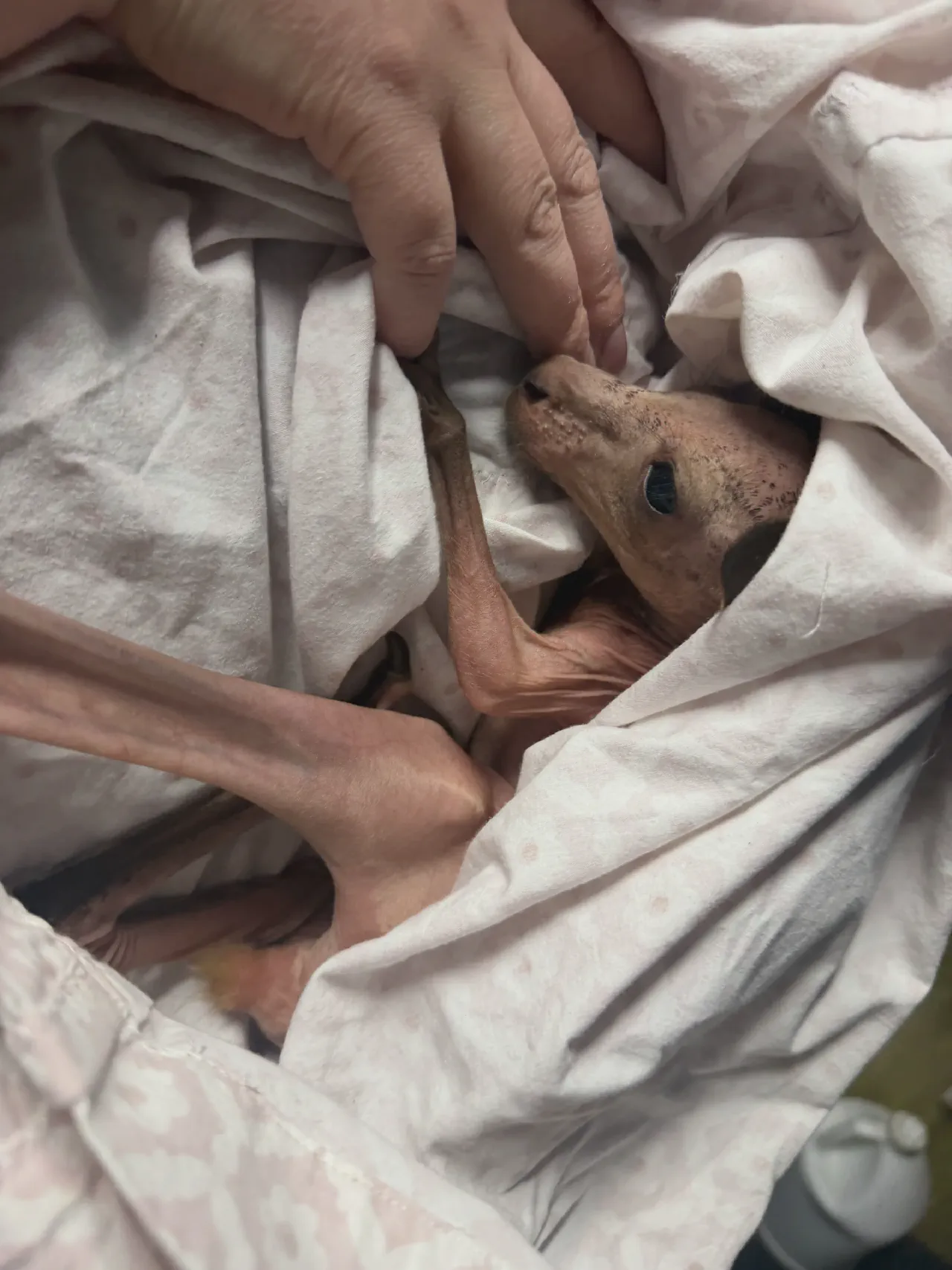
Alexander, an Eastern Grey kangaroo joey now in care.
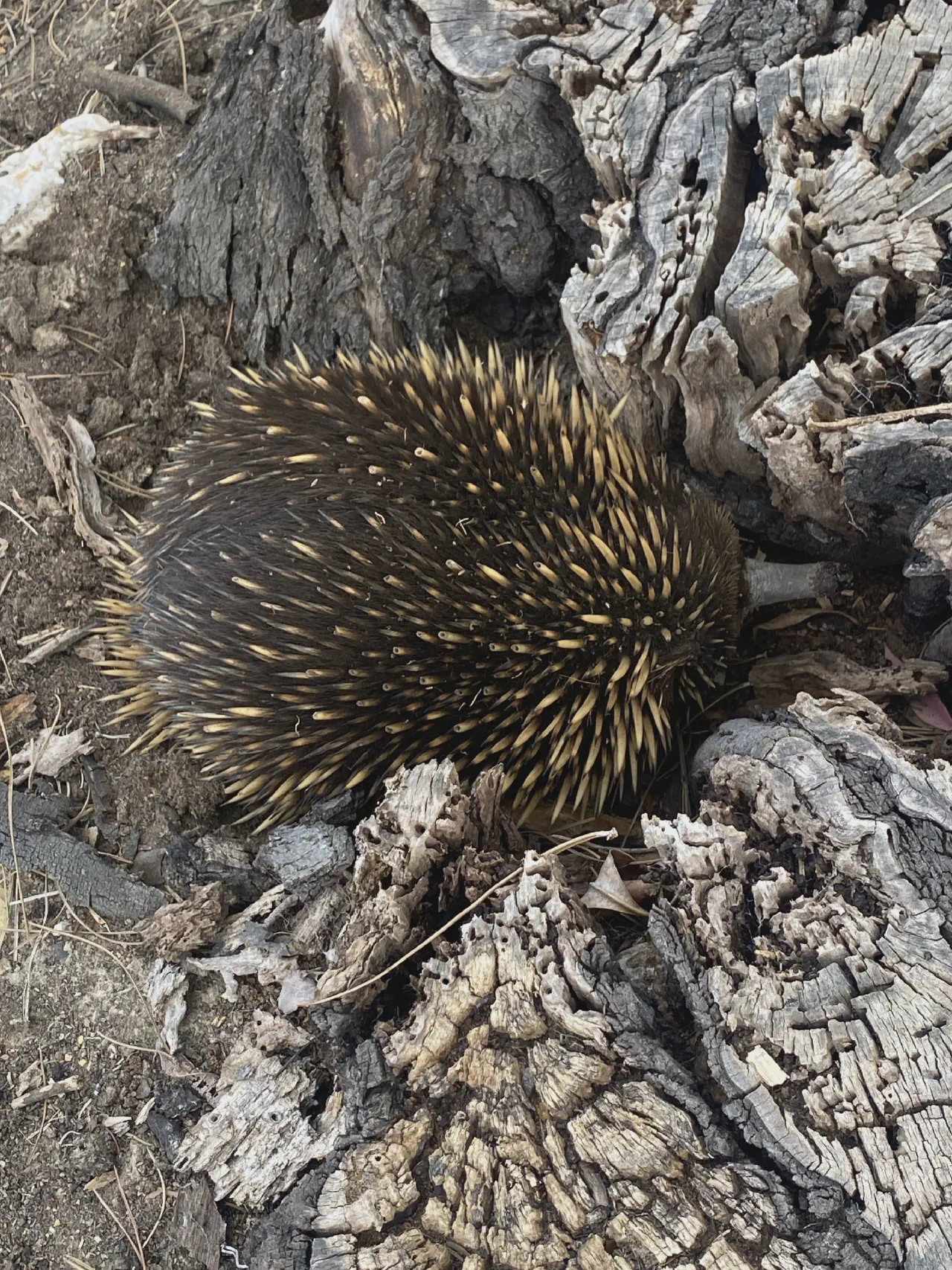
A displaced echidna roaming the suburban streets of Ballarat.
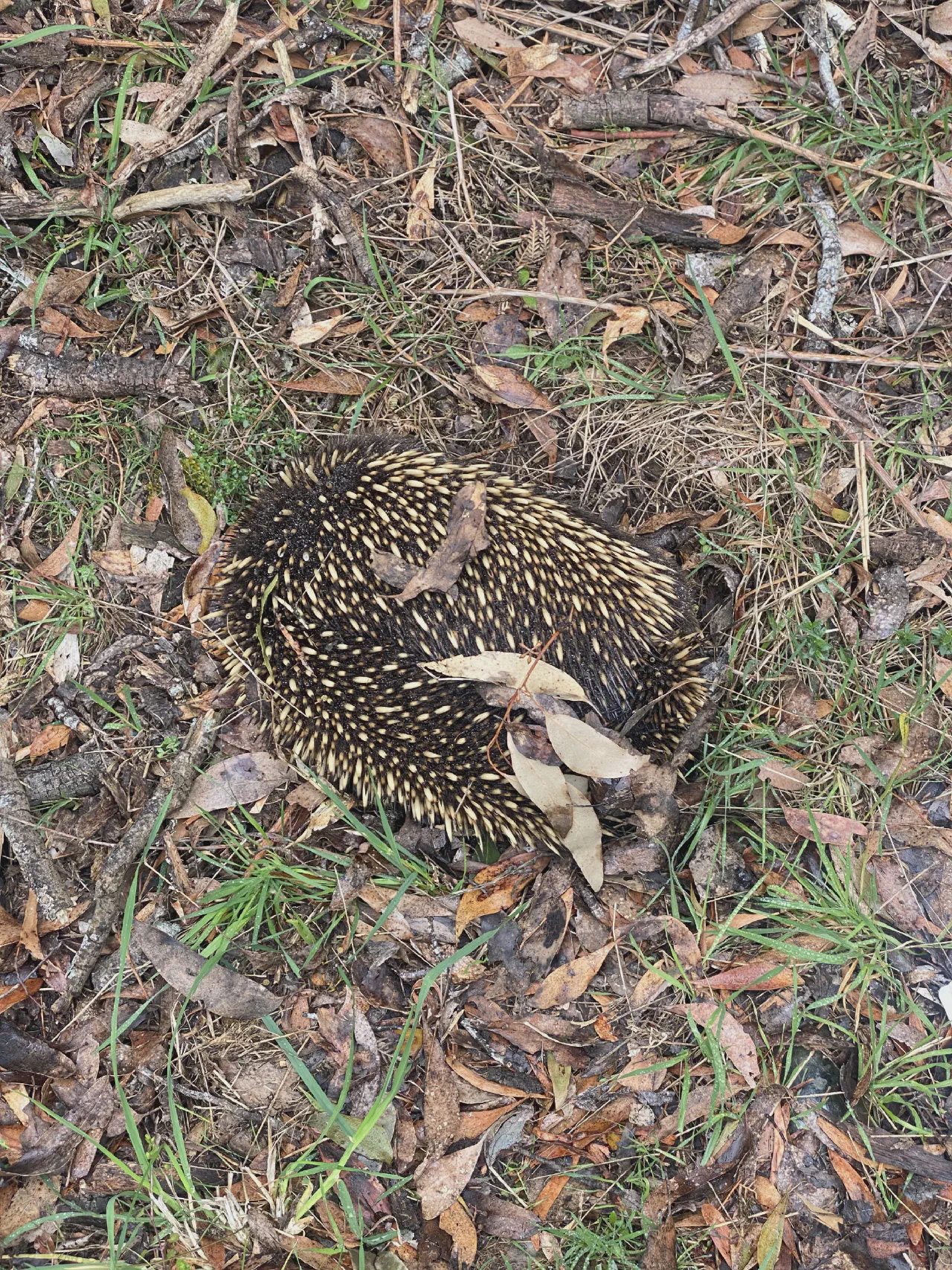
An echidna hit by a vehicle south-east of Ballarat. He was taken to Werribee Animal Hospital.
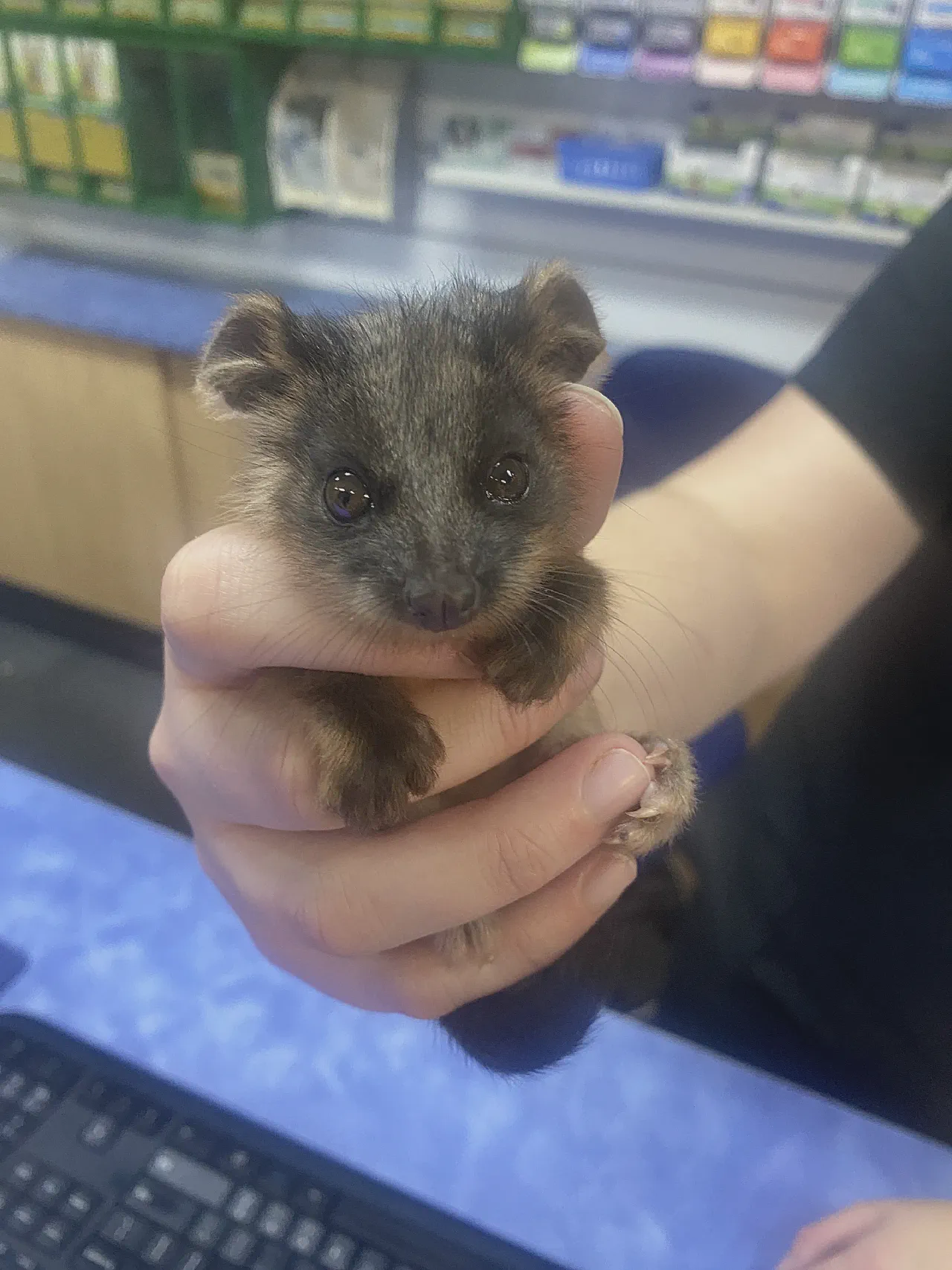
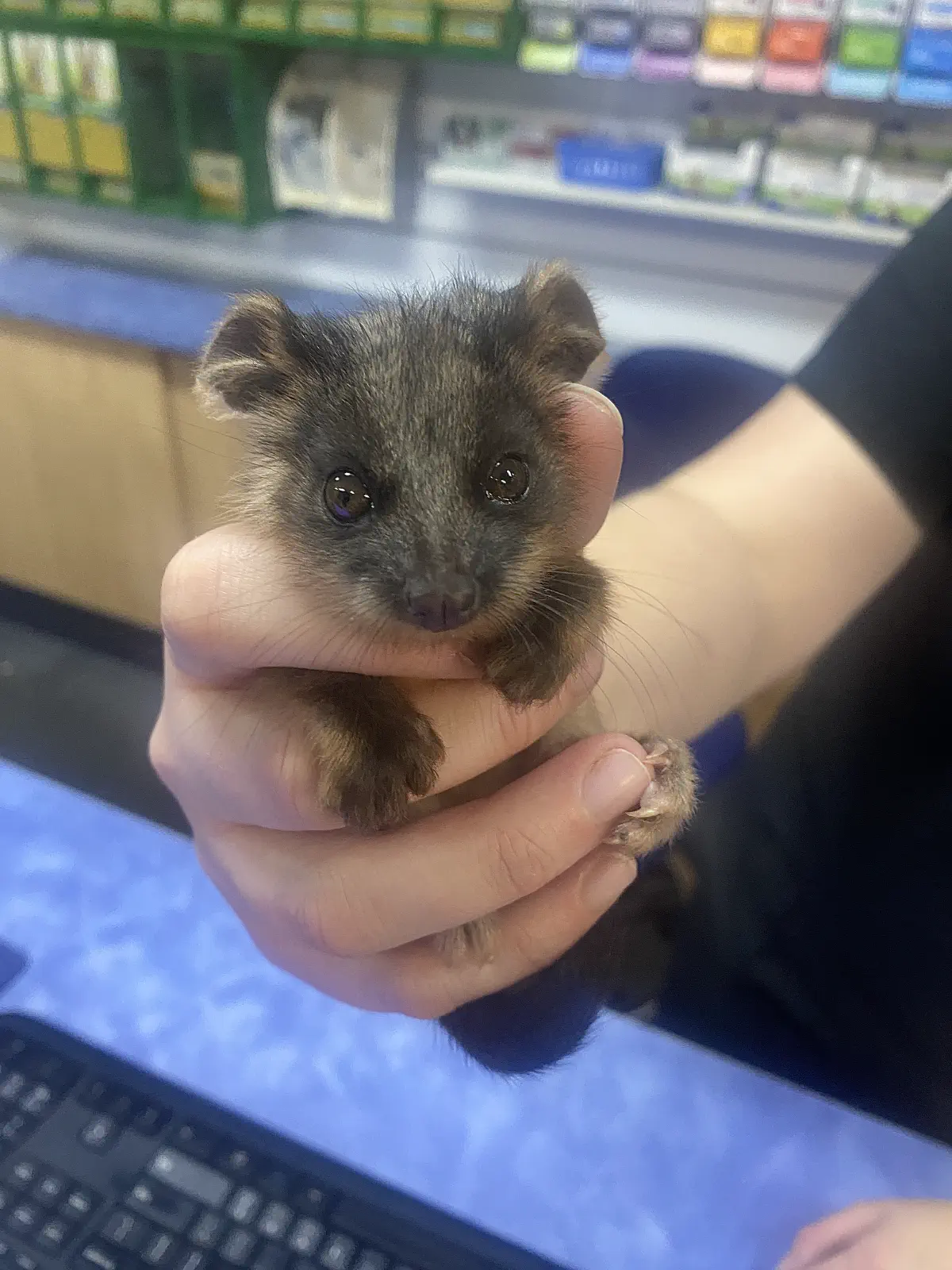
A ringtail possum joey we named Francis.
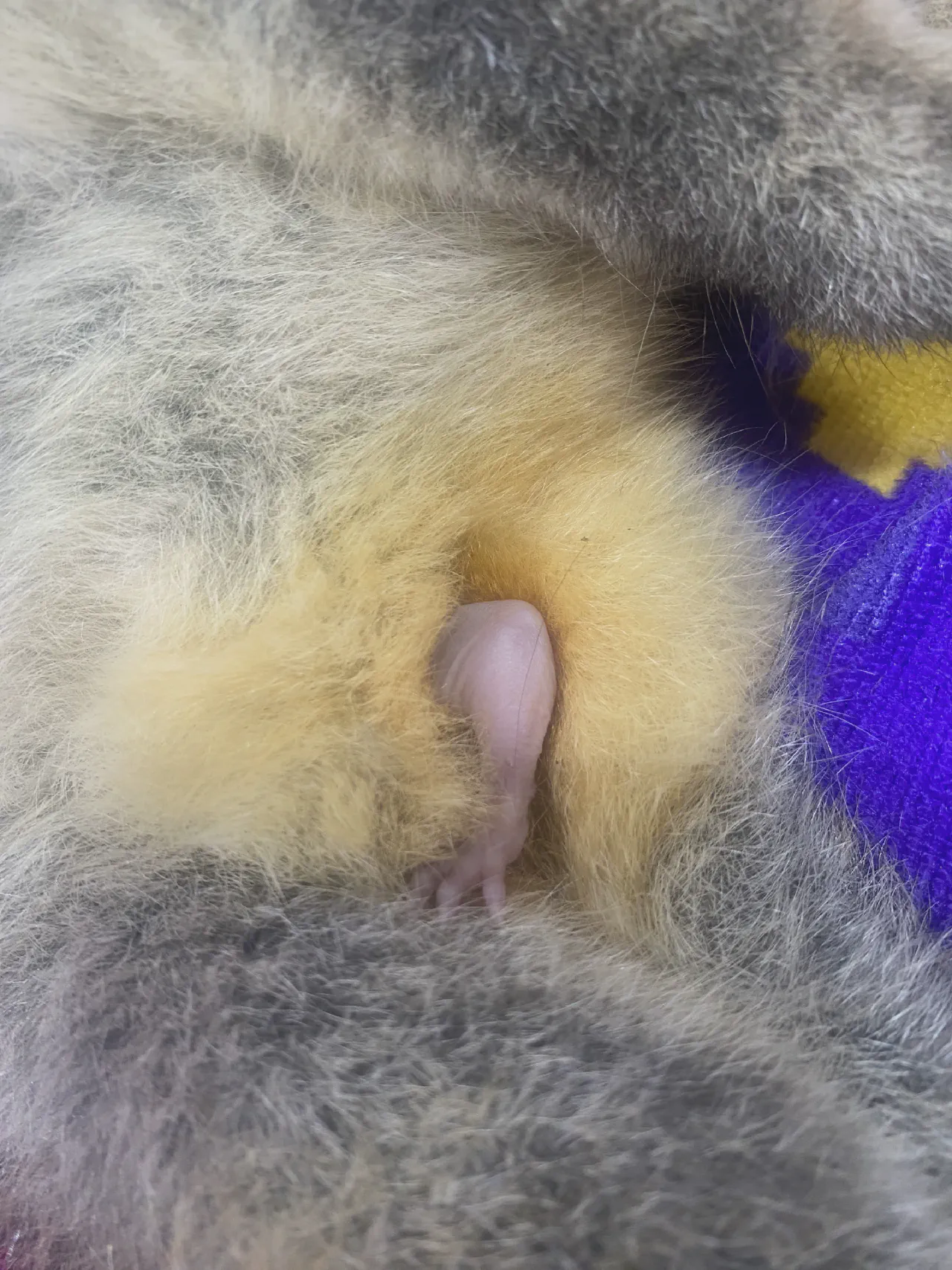
Another ringtail possum joey that sadly couldn’t survive without Mum.
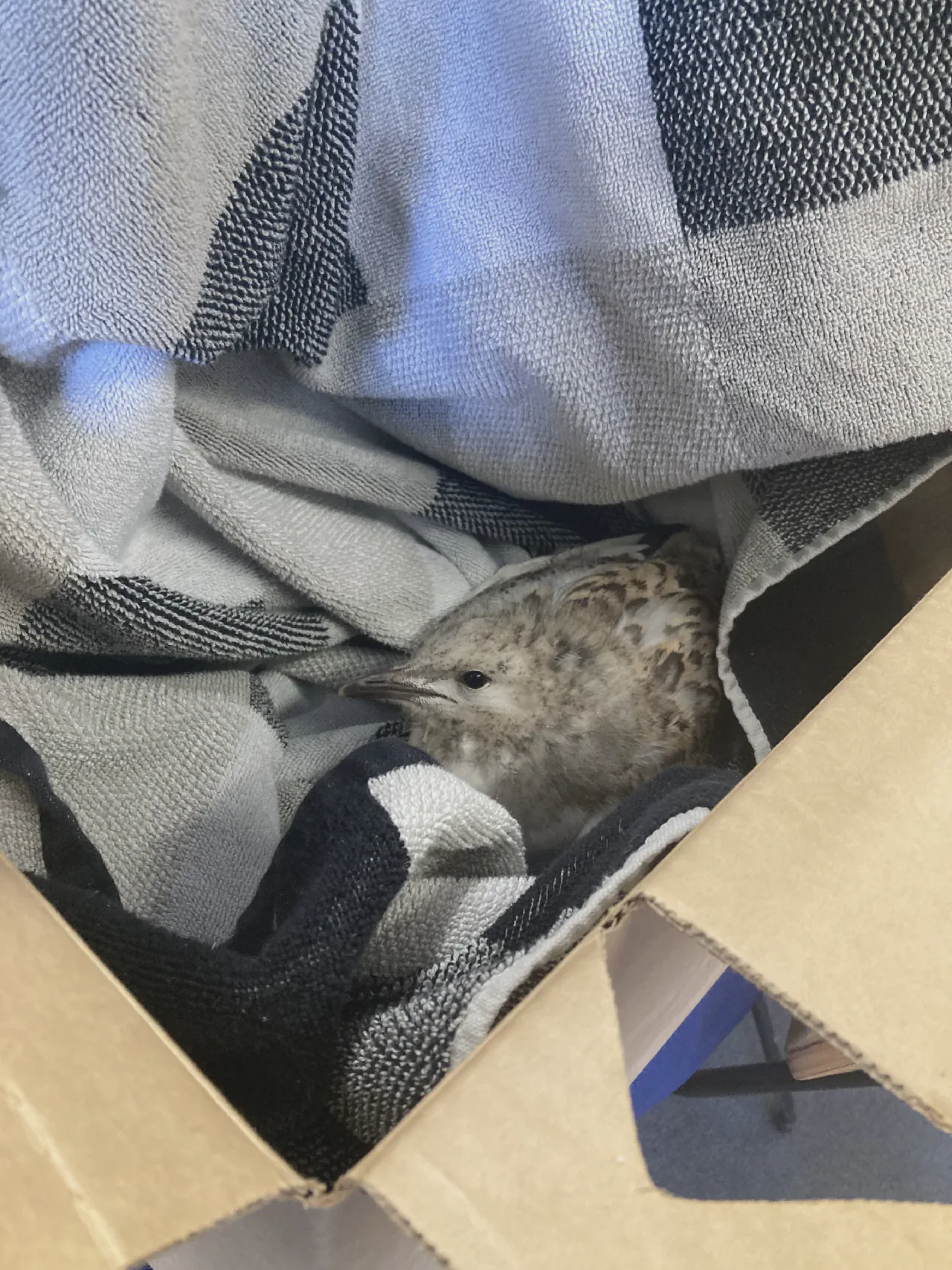
A seagull chick rescued from the Ballarat Arts Precinct.
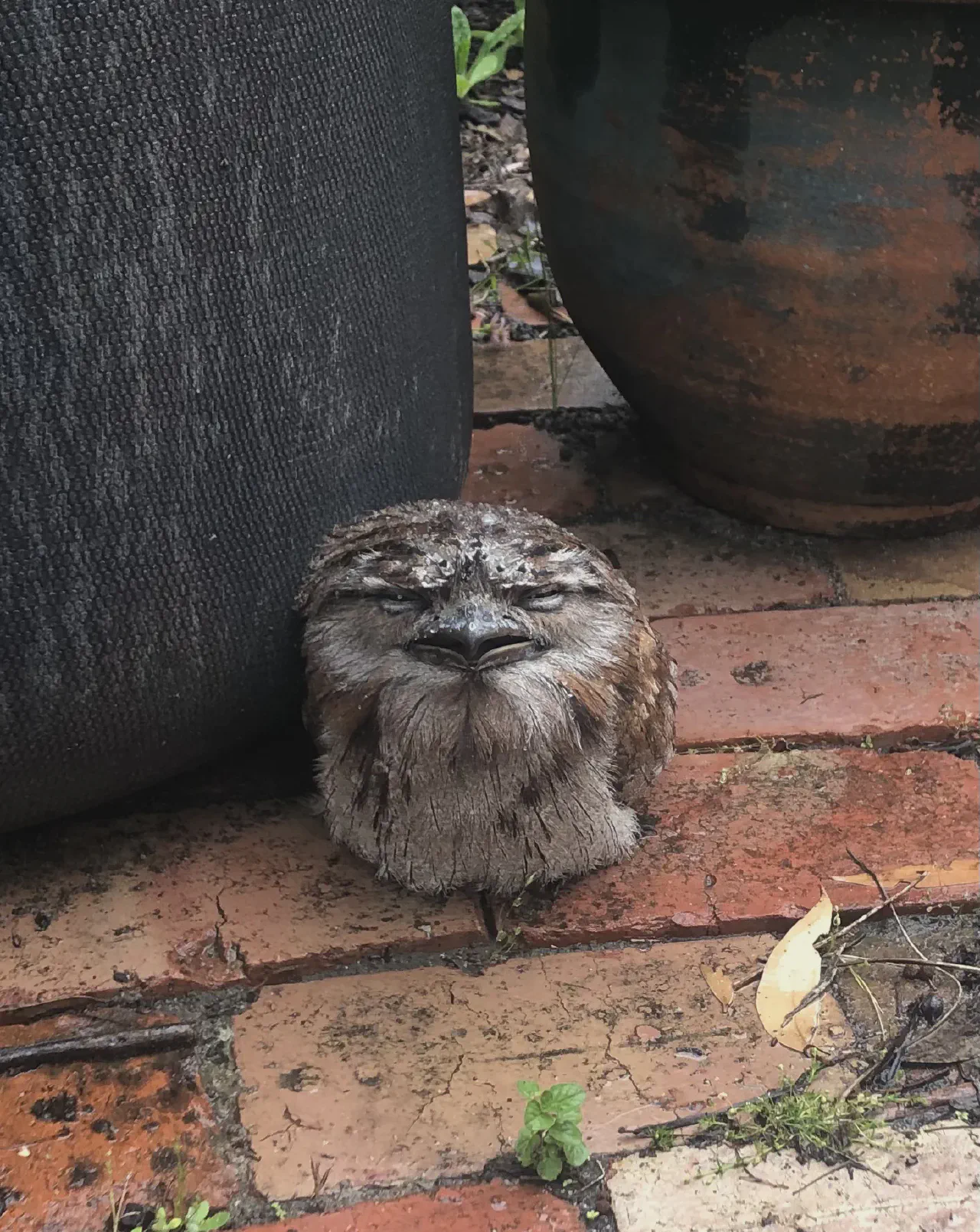
A tawny frogmouth hit by a vehicle and found in the front yard of a local property.
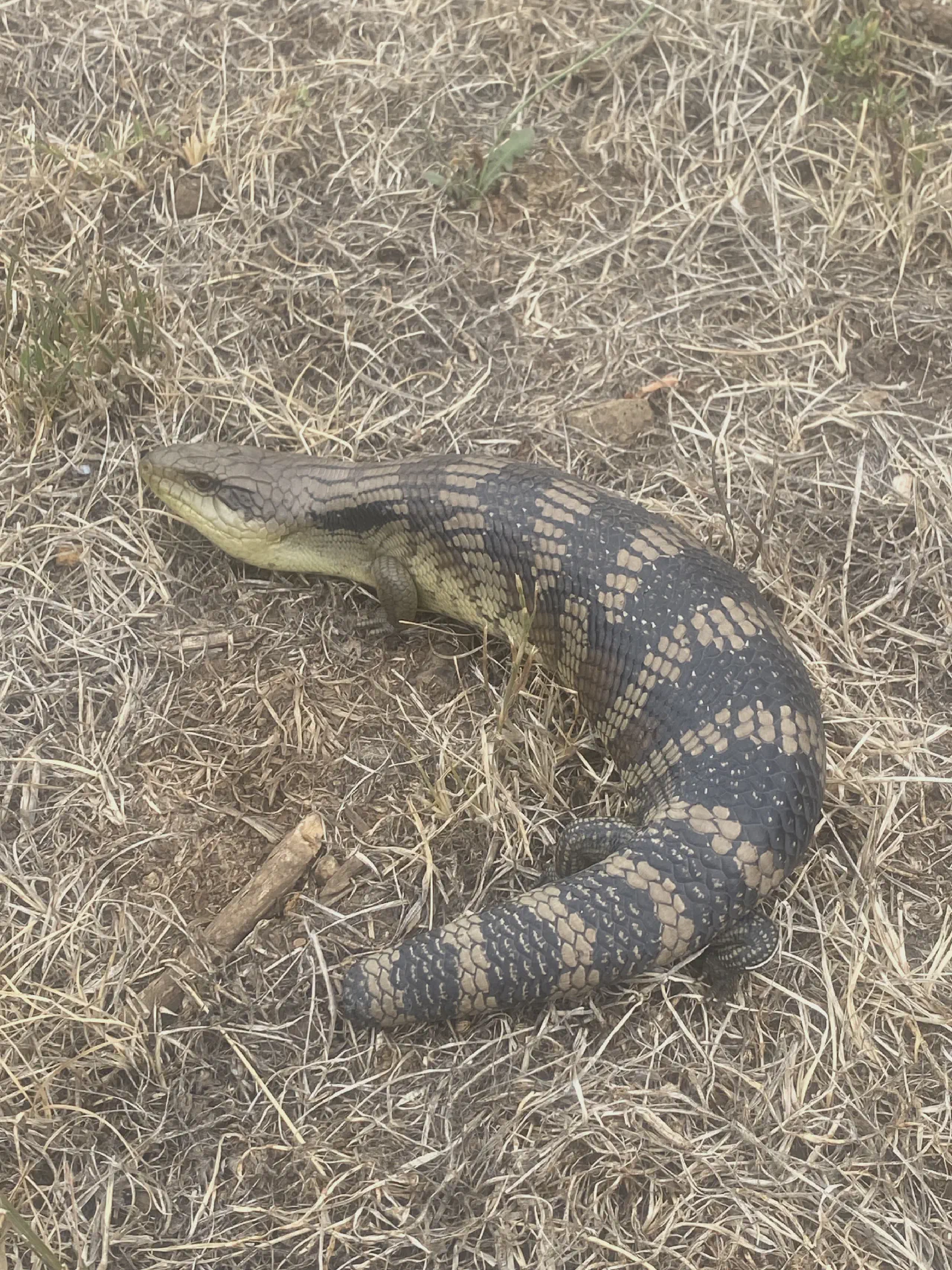
A pregnant blue-tongued lizard who was safely returned to habitat.
As we clocked up hours and cases, we’ve been given more advanced training and now we’re able to help macropods, raptors, and reptiles (but not snakes2).
Euthanasia
One of the sad realities of wildlife rescue work, especially with macropods, is the poor survival outcomes of kangaroos and wallabies that are hit by vehicles. If their legs are injured/broken, it is extremely difficult to successfully treat and rehabilitate a grown3 kangaroo. Kangaroos rely on their incredibly powerful lower limbs for everything. Life without them is painful at best, and the most humane course of action in these circumstances is euthanasia. We’ve trained to quickly and humanely end the suffering of these poor creatures — and death is instantaneous — but it is absolutely heart-wrenching each and every time. There is sometimes backlash from uneducated members of the public who might witness it, but I can tell you as someone who loves these creatures and is most times the guy who has to end their pain and feel the pumping of their heart wane with their death: nobody in wildlife rescue would do this unless there was no other option.
Wildlife Victoria is like any charity and can only support so many training sessions a year, and many have a waitlist. ↩︎
Australia has some very dangerous snakes, and although it’s a myth that Australia has the world’s deadliest snakes, one would not want to mess with our local serpentine friends. ↩︎
Grown, as in: not a joey. Even joeys are very difficult to treat for this kind of injury. ↩︎