Setting up the bike for cargo
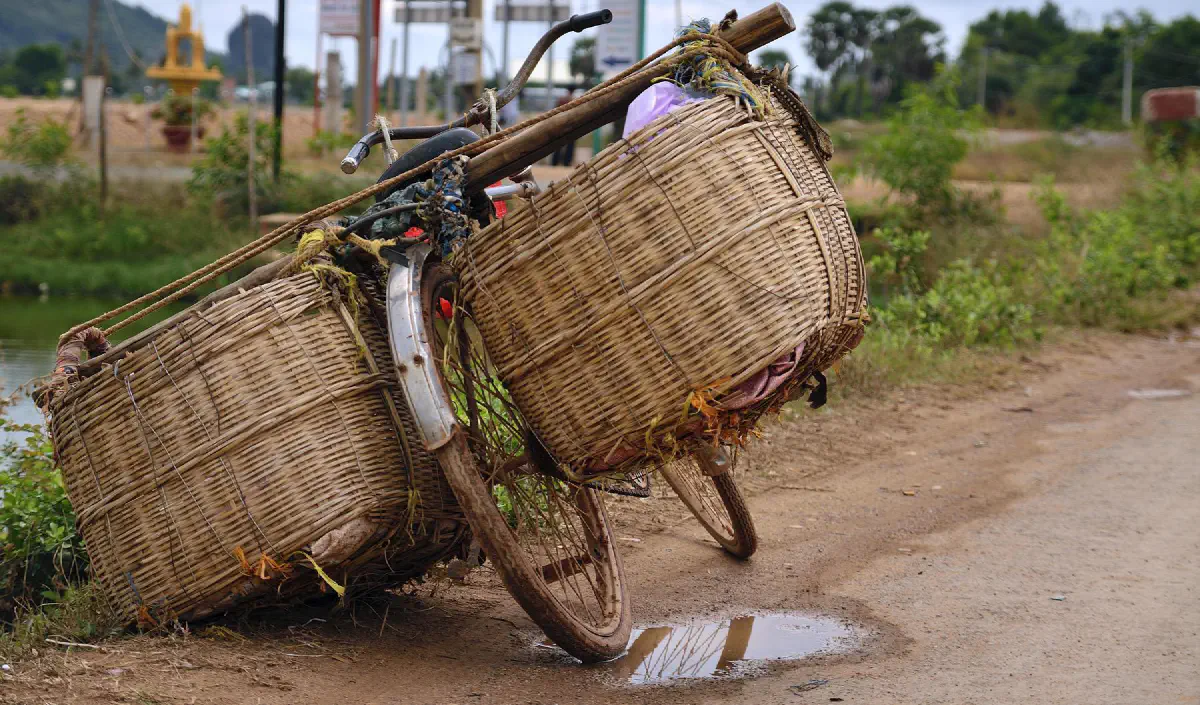
When sitting down to plan out the Ride in September, one of the first requirements to come to mind was carriage space on the bike — how would I allow enough storage for food, water, shelter, changes of clothes, etc?
Being a newcomer to the world of bike touring, I quickly found a number of different options and styles of travel, that when compared to the gear I already had, left me with three main choices to make:
I have already decided on my sleeping arrangements, and the other considerations I needed to make were:
To be honest this was a pretty close call, but in the end I decided not to just overload the bike with frame bags and panniers. I must admit it was tempting: being a leatherworker, I could do it fairly cheap; there are heaps of options available; it is the popularly recommended mode of bike touring for solo riders; and I already have a pretty good Topeak MTX rack and pannier setup.
However, being +100kgs, I wanted to reduce the load on the bike, and as said above I’ll be wearing a rather tight-fitting dress, and therefore I don’t want to be packing out the bike with too many items that I could get caught on, and rub my mostly-bare legs against.
Verdict: Close call, and normally the way I’d go, but this time is not the best option for me.
When I first set out to ride to Adelaide, my lovely partner Danielle contemplated coming along with me for support and company. The issue for us came down to the length of time I expected to do the trip, not wanting to slam the kilometres but actually enjoy the ride, and the resultant uncertainty around the schedule. As Danielle is a criminal barrister, 9–10 days off work amounts to a rather large financial burden, and we eventually made the decision that if we were going to sacrifice many thousands in wages, we’d be better off just donating that much and staying at home.
Another factor in the decision is my mental health, and the resultant anxiety from having to rely too heavily on a support vehicle, and be too regimented in daily schedules and achieving riding checkpoints that may not be ideal when I’m out on the bike. Of course, if a support crew eventuates — or even just other riders to accompany me — that would be awesome, but being able to plan for the least outcome ensures the ride will go ahead without too many issues.
Verdict: Again possible, but would involve a lot more organisation and planning to pull off.
A cargo trailer, attached to the rear axle or seat post, allows the bulk of the load to be towed behind the bike. Considering also that I weigh +100kgs myself, this puts a lot less stress on the rear axle of my bike.
As detailed above, I will be carrying a lot of water, and although I will try to buy most of my food each day at each town/stop, I will need a small amount of rations for emergencies. A trailer enables me to carry a lot more gear.
The other benefit for my particular use case was in having sides to the trailer that I could easily make up signage for, better advertising my cause/explaining to passersby why the f— that bloke’s wearing a dress, and maybe even picking up some donations along the way.
Verdict: I went with the trailer option, as providing the greatest versatility and enabling me to more easily plan the ride itself.
With the decision made, I settled on a Burley Coho XC trailer, which I will review in more detail after its first 200 kilometres of use, and am so far pretty happy with.